Posted on
Dec 1, 2025
How to Keep Your Body Moving in December: A Physio's Guide to a Healthy Festive Season
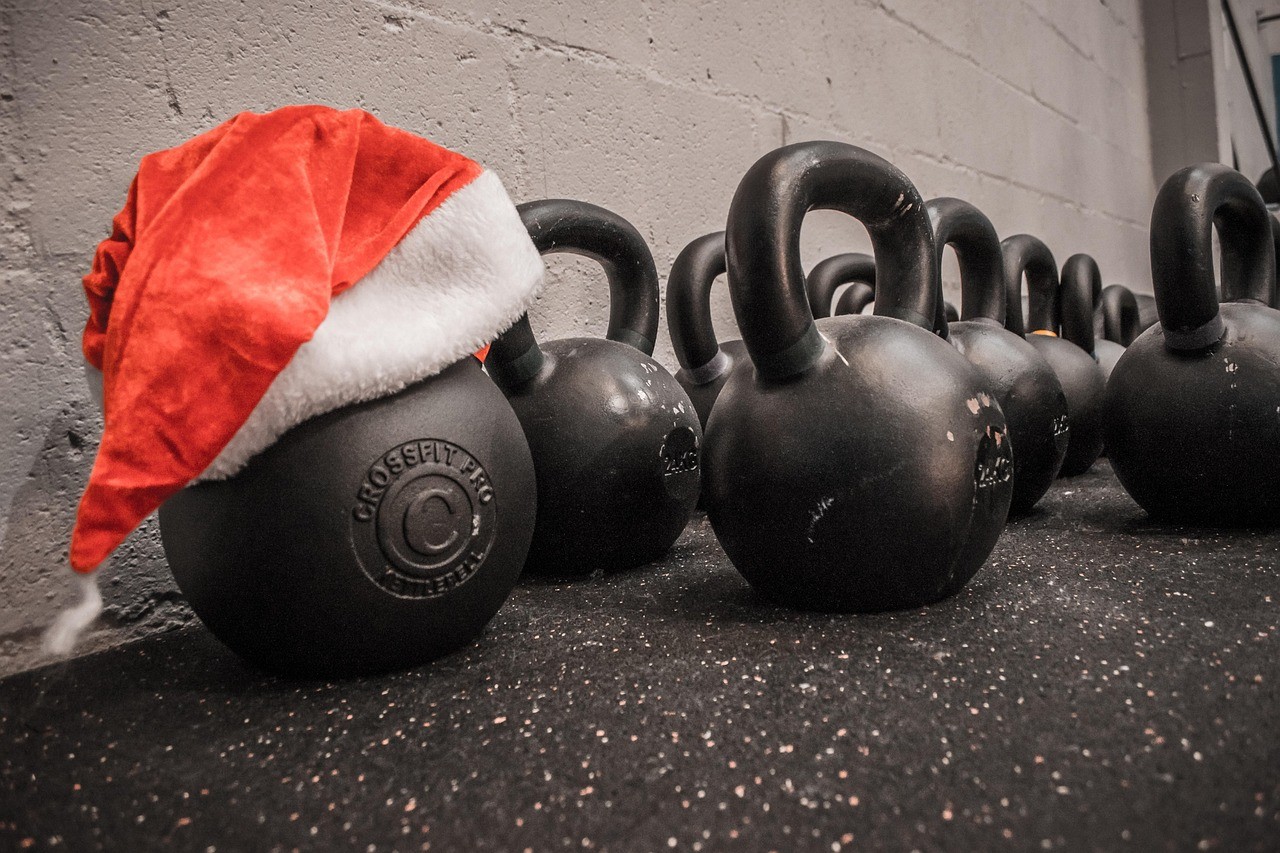
Stiff knees, tight backs, and too many Quality Streets? Your physio-approved survival guide awaits…
December is a month where time bends. One minute you're finishing off Halloween sweets, and the next you're knee-deep in wrapping paper, mince pies and vague promises that "I'll get back to the gym in January."
But while the festivities are brilliant for the soul, they're not always so brilliant for our bodies — cue stiff backs, tight necks and the mysterious "I-swear-I-didn't-do-anything" niggles.
Here's your physiotherapist-approved, research-backed guide to staying mobile, pain-free and (mostly) functioning through the festive chaos.
1. Keep Moving… Even a Little Helps
December tends to involve more sitting — family meals, long drives, and the kind of TV marathons that truly test sofa integrity. But even small bits of movement make a big impact.
Why?
Research shows that breaking up sedentary time with short activity boosts circulation, reduces joint stiffness and improves overall wellbeing. A 2020 systematic review found that standing or walking for just 2 minutes every 20–30 minutes improves blood glucose and reduces musculoskeletal discomfort.
Try this:
Set a timer for every hour to get up, stretch or walk around
Do 10 calf raises while waiting for the kettle to boil
Turn wrapping presents into a mobility session (all those lunges reaching for tape = bonus workout)
2. Prioritise the "Big Three": Sleep, Stress & Hydration
Yes, they're boring. But so is the pain you get from falling asleep on the sofa mid-Christmas film.
Sleep
Reduced sleep increases sensitivity to pain and slows recovery from muscle fatigue. Aim for 7–9 hours — your future self will thank you.
Hydration
Colder weather dulls your thirst response, which means dehydration sneaks up more easily. Dehydrated muscles = cranky muscles.
Stress
Holiday stress is real (no matter how much you love your relatives). Elevated stress is strongly linked with increased muscle tension and back/neck pain.
So if you need to "pop out for some fresh air" during family gatherings, consider it medical advice.
3. Don't Skip Your Warm-Up — Even If You're Only Walking
Cold weather makes muscles tighter and joints feel stiffer. This isn't you "getting old" — it's physiology.
A review found that warming up improves muscle performance, joint lubrication and reduces injury risk.
If you're heading out for a cold walk, quick jog, or festive park run:
Do 3 minutes of:
Marching on the spot
Arm circles
Leg swings
Light squats
Gentle calf pumps
A little goes a long way (and prevents the classic "first 5 minutes feel like concrete legs").
4. Keep Strength on the Menu (Even While Eating Everything Else on the Menu)
Strength training in December doesn't need to be fancy. No barbells required — unless you're lifting a particularly heavy turkey.
Research consistently shows that regular strength work preserves joint health, reduces pain, and boosts long-term mobility.
Try these anywhere (yes, even in festive pyjamas):
Sit-to-stands
Wall push-ups
Glute squeezes while watching TV
Calf raises while brushing your teeth
Two minutes > zero minutes.
5. Stretch it Out
December involves some very specific, very awkward movement patterns:
Leaning over bags while trying to carry your shopping
Reaching under the tree to retrieve the bauble your dog knocked off
Sitting on the floor wrapping gifts
Long drives to visit family
Couch slumping
This can lead to neck, shoulder and lower back strain.
A few simple daily stretches help offset this:
Chest opener (counteracts hunching)
Hip flexor stretch (counteracts sitting)
Upper back twist (counteracts wrapping and lifting)
A 2021 review showed that stretching 5–10 minutes a day improves mobility and reduces perceived stiffness.
6. Be Kind to Yourself
December is not the month for perfection. It's the month for balance.
If you don't get all your workouts in, it's okay. If your mobility routine lasts 30 seconds instead of 10 minutes, that's still a win.
Maintaining some movement keeps your body happier, your joints smoother, and your January comeback much easier. And ultimately, staying active in December isn't about burning calories — it's about keeping your body feeling good enough to enjoy everything else.
Key Takeaways
Move little and often
Prioritise sleep, hydration and stress management
Warm up in the cold
Sneak strength exercises into daily life
Stretch away awkward festive postures
Be realistic and kind to yourself
Your body doesn't need perfection — it just needs consistency (and maybe the occasional physio check-in).
Image 1: Photo by Jim Luo on Unsplash Image 2: Photo by Ish Frndz on Unsplash
References
Saunders, T.J., et al. (2020). Sedentary Behaviour and Health in Adults: A Systematic Review. Applied Physiology, Nutrition, and Metabolism.
Finan, P.H., et al. (2013). The Association of Sleep and Pain: An Update and a Path Forward. Journal of Pain.
Kenefick, R.W., & Cheuvront, S.N. (2012). Hydration for Recreational Sports and Physical Activity. Nutrition Reviews.
Melchior, M., et al. (2007). Work Stress and the Risk of Depression: The Whitehall II Study. American Journal of Public Health.
McGowan, C.J., et al. (2015). Warm-Up Strategies for Sport and Exercise: Mechanisms and Applications. Sports Medicine.
ACSM (2019). Strength Training for Health: Position Stand. Medicine & Science in Sports & Exercise.
Afonso, J., et al. (2021). Stretching for Recovery: A Systematic Review and Meta-Analysis. Frontiers in Physiology.