Posted on
Mar 25, 2026
Understanding Knee Pain: What It Means and How to Manage It
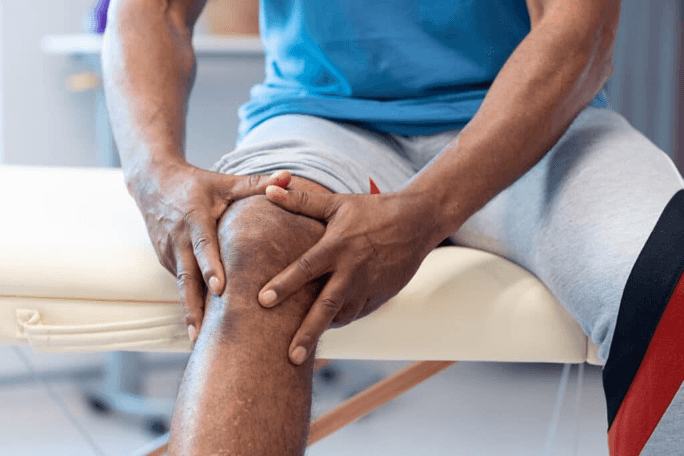
Understanding Knee Pain: What It Means and How to Manage It
Knee pain is one of the most common issues people bring to physiotherapy clinics. Whether you’re a runner training for your next race, an active parent chasing after children, or simply someone noticing more stiffness when getting up from a chair, knee discomfort can affect your ability to move freely and enjoy daily life.
At our BodyTherapy UK, we see knee pain caused by many different factors—but the good news is that most cases can be effectively managed with the right care, movement, and advice.
Common Causes of Knee Pain
Knee pain doesn’t always have one clear cause. It can develop suddenly after an injury or gradually over time. Some of the most frequent contributors include:
Overuse injuries – such as runner’s knee or patellar tendinopathy, often linked to repetitive movements or training errors.
Osteoarthritis – where the cartilage wears down with age, leading to stiffness, swelling, and pain.
Ligament or meniscus injuries – common in sports involving twisting, jumping, or sudden changes in direction.
Muscle weakness or imbalance – reduced strength in the hips, thighs, or calves can place extra strain on the knee joint.
Posture and movement habits – even small differences in the way you walk, or stand can impact how your knees feel.
When to Seek Help from a Physiotherapist
If your knee pain has lasted more than a couple of weeks, limits your mobility, or you’ve experienced a sudden injury (such as a “pop” or swelling), it’s worth getting assessed. Physiotherapists are movement specialists who can identify what’s driving your pain and guide you through safe, tailored rehabilitation.
At our clinic, your physiotherapist will take the time to understand:
The pattern and history of your pain
Your activity goals—whether that’s returning to sport, walking pain‑free, or keeping up with your daily routine
How your body moves, including strength, flexibility, and balance
From there, we’ll build a personalised treatment plan to relieve symptoms and restore normal movement.
Managing Knee Pain Day to Day
Here are a few general tips that can make a big difference:
Stay active – gentle movement (like walking, cycling, or swimming) helps nourish the joint and keeps the surrounding muscles strong.
Don’t push through pain – mild discomfort is okay, but sharp or worsening pain means it’s time to rest and re‑evaluate your activity.
Use heat or ice – ice can calm swelling after activity, while heat can relax stiff muscles.
Focus on strength – building the quadriceps, hamstrings, and glutes supports the knee and helps prevent recurrence.
Check your footwear – worn‑out or unsupportive shoes can alter your alignment and stress the knees.
How Physiotherapy Helps
Physiotherapy isn’t just about treating pain—it’s about restoring confidence in your movement.
Our approach combines:
Hands‑on therapy to ease tension and improve joint mobility
Targeted exercises to strengthen, stabilise, and retrain your movement patterns
Education and self‑management strategies so you know how to maintain your progress long‑term
Our goal is always to help you get back to what you love—whether that’s your sport, your garden, or everyday life without knee pain.
Take the First Step Toward Pain‑Free Movement
If knee pain is holding you back, don’t wait for it to worsen. Early assessment can make rehabilitation faster and easier.
Contact BodyTherapy today to book an appointment and start your recovery journey.